A downtown menu does not change between lunch and dinner, but the right order does. At midday the meal has a job: feed people well and return them to work, errands, or the drive back across Lincoln County. In the evening the meal is the event itself. Reading the menu by the clock means matching the dish to the time you actually have.
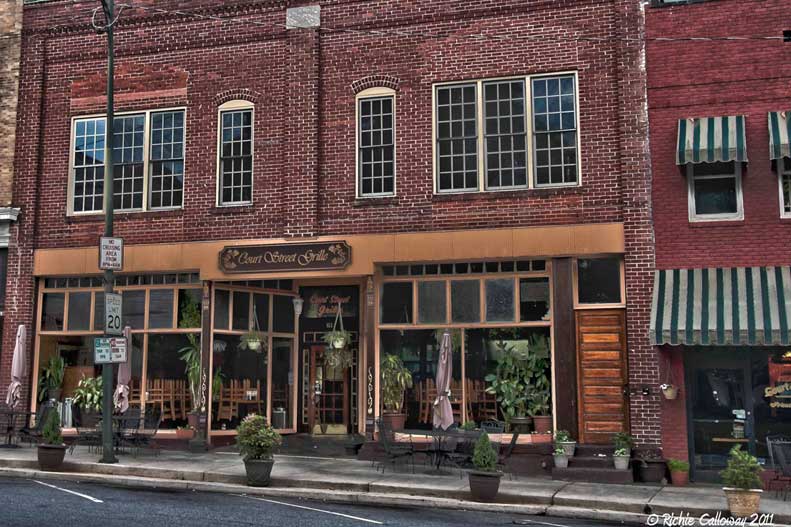
What each part of the menu is built for
| Menu section | Lunch read | Dinner read |
|---|---|---|
| Salads and gyros | The fast, lighter end: a full meal that does not slow the afternoon | A starter-sized start, or a light dinner on a warm night |
| Burgers, wraps, and subs | The workday standard: quick to make, easy to eat, satisfying without a nap | Good for kids and casual tables that are not settling in |
| Pizza | Best shared by two or three coworkers splitting one pie | The group anchor for family tables and mixed appetites |
| Calzones and strombolis | A committed solo lunch; baked to order, so allow a few extra minutes | A hearty main that holds its heat through a long conversation |
| Pasta plates | The filling option for a long afternoon ahead | The classic sit-down dinner plate, built to be lingered over |
The midday calculation
Lunch downtown runs on other people's schedules. Court sessions, shop hours, and school pickups all set deadlines, so the midday order should favor dishes the kitchen turns around steadily: sandwiches, salads, and slices-style orders. Baked dishes like calzones are made to order and worth it when the hour allows, but they are the wrong bet when you have twenty minutes and a parking meter running.
Portion is the other midday trap. A pasta plate that sounds perfect at noon can cost you the afternoon. If the day still has work in it, the salad-and-gyro end of the menu feeds you without the two o'clock slump.
The evening calculation
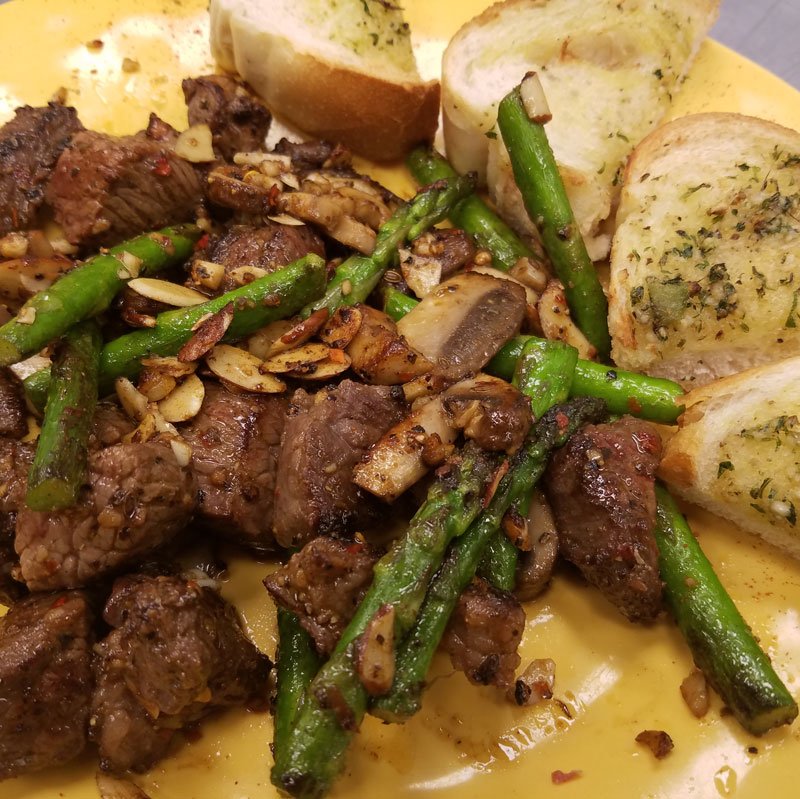
Dinner reverses both rules. Time is the point, not the constraint, so baked and plated dishes get their due. A table that orders starters, shares a pizza or stromboli, and still leaves room for a homemade dessert is using the menu the way a full-service kitchen designs it: in courses, at a pace.
Saturday in Lincolnton shortens the window, since the grille closes mid-afternoon that day. Treat Saturday as a lunch room: arrive before the early afternoon, order the baked dishes if you want them, and let the evening belong to something else.
The Saturday exception and the takeout clock
Saturday deserves its own paragraph in Lincolnton, because a Saturday downtown has its own rhythm: shoppers, families, and people in town for the day rather than the workweek. A kitchen that closes mid-afternoon on Saturdays is telling you the day's center of gravity is lunch. Arriving at two expecting a dinner experience misreads the room; arriving at noon and ordering the full spread reads it perfectly.
Takeout runs on the clock too. A takeout order placed at the height of the lunch or dinner rush queues behind every seated table that ordered before you, so the pickup time you are given is a kitchen estimate, not a promise extracted from a drive-through window. Ordering takeout slightly ahead of the peak, and choosing dishes that travel, baked items and sandwiches over dressed salads, gets dinner home hot instead of merely fast. The clock is a menu tool in both directions: it tells you when to sit down, and it tells you when to call.
A working rule for either meal
If you remember nothing else, remember the trade both meals are making. Lunch trades range for speed: the smart midday order is the dish the kitchen can make well inside your window, eaten without negotiation. Dinner trades speed for range: the smart evening order uses the whole menu, including the baked and plated dishes that need time you finally have. Order lunch like you have somewhere to be, because you do. Order dinner like dinner is where you are, because it is. Most disappointing restaurant meals are one of those two orders placed at the wrong hour, in a good kitchen that was never given the right instructions by the clock.
Common questions
What is the fastest lunch order?
Salads, gyros, wraps, and subs are the quick end of a grill menu. Baked-to-order dishes like calzones take longer because they cook from raw dough.
Is the dinner menu different from lunch?
At a place like Court Street Grille the menu is broadly the same all day. What differs is pacing and portion strategy, not the list itself.
When does the Saturday window close?
Court Street Grille serves Saturday from 11 AM to 4 PM, so plan it as a lunch or early meal rather than a dinner seating.
← All guides from Court Street Grille← Back to Court Street Grille