Group ordering fails in a predictable way. Everyone studies the menu in silence, the server arrives, and the table orders six unrelated plates that land at different times and satisfy nobody completely. The fix is not a bigger menu. It is a sequence: a host, even an informal one, who builds the order in layers instead of collecting individual wishes.
The steps below work at any Lincolnton table with a wide menu, and they work because they treat the order as one meal with a structure, not six small meals sharing a tablecloth.
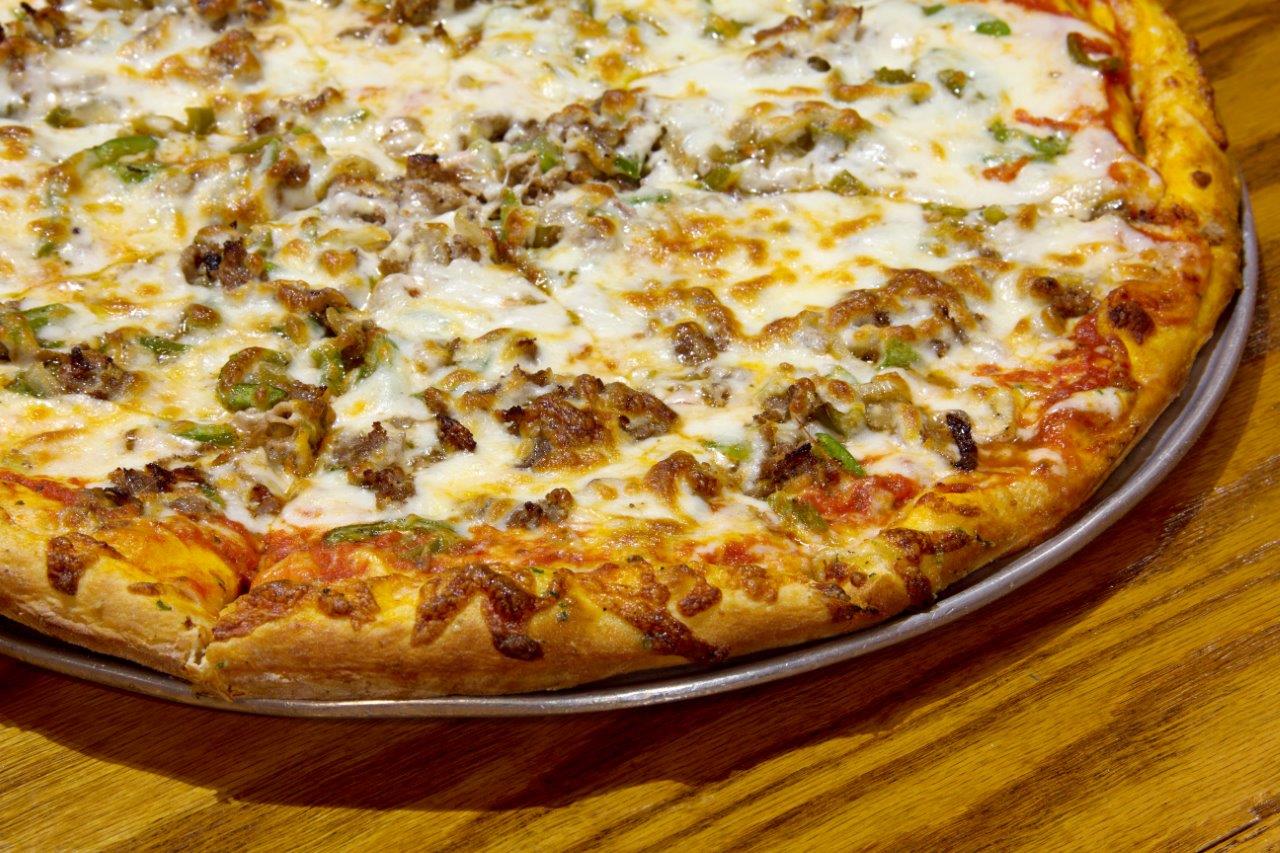
Build the order in layers
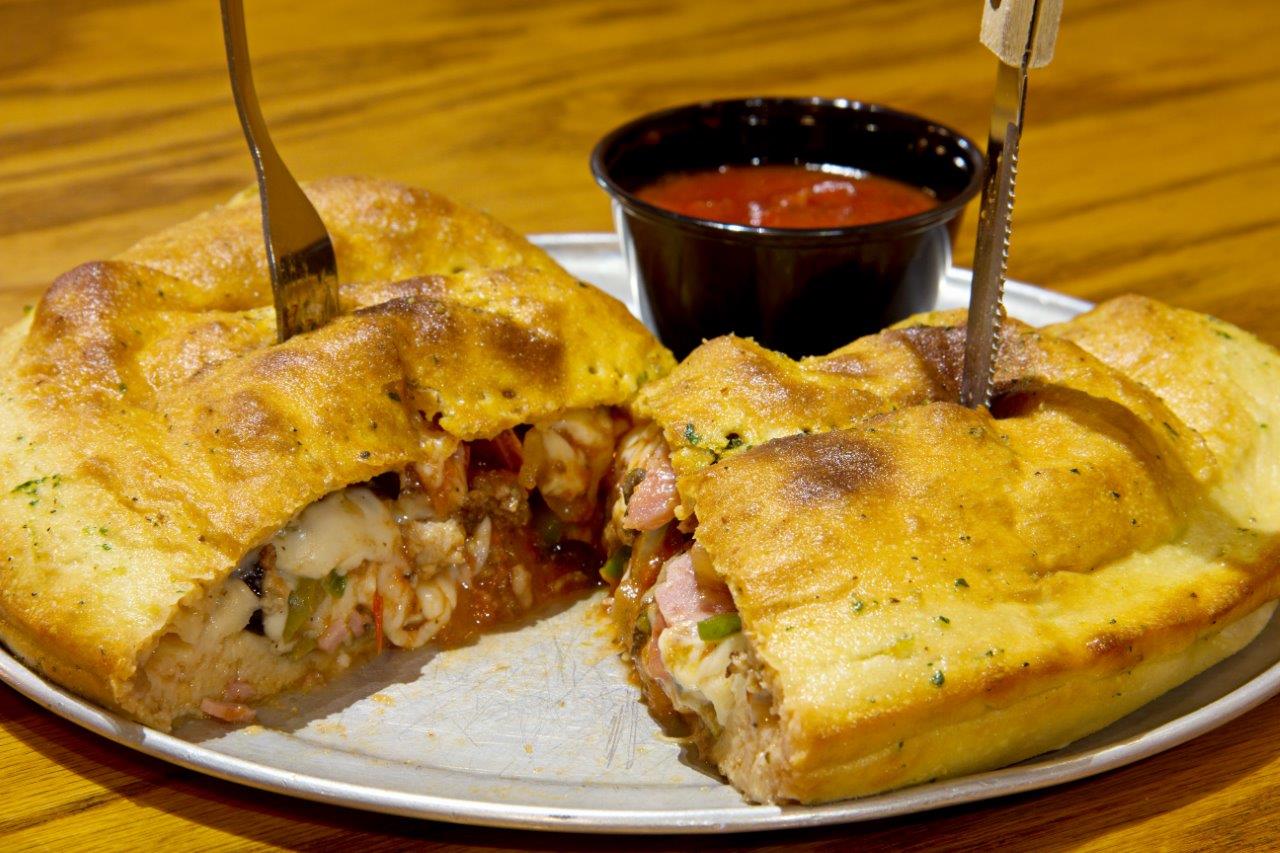
- Start with a shared anchor. Order one or two things for the middle of the table first: a pizza, a stromboli sliced into rounds, or a plate of starters. Anchors keep everyone eating while individual plates are decided.
- Ask the constraints, not the cravings. Find out who is vegetarian, who avoids spice, and who is genuinely hungry versus picking. Constraints narrow the menu fast; cravings reopen it.
- Let each person own one plate. With the anchor down, individual orders get simpler. A salad, a gyro, a pasta plate: each person picks one thing they actually want instead of defending a group choice.
- Place the whole order at once. Staggered ordering means staggered food. One complete order lets the kitchen pace everything to land together.
- Order dessert as a table decision. Decide while the plates are being cleared, not after the checks arrive, so the kitchen and the table stay in step.
The picky eater problem is usually a format problem
People described as picky often just dislike the format on offer: a heavy plate when they wanted a sandwich, a baked dish when they wanted a salad. A menu that runs from gyros and wraps to pasta and pizza gives that person an exit that is still a real meal. Point them at the format first and the filling second, and the objection usually dissolves.
Children at the table follow the same rule. Plain cheese pizza, a simple pasta, or a grilled cheese style sandwich ordered with the anchors arrives early, and a fed child makes the rest of the meal calmer for everyone.
Timing a downtown dinner
Weeknight dinners in a downtown room run at kitchen pace, and Friday evenings are the busiest seatings. If your group has a hard stop, a movie, a game, a drive home to Denver or Maiden, say so when you order, not when you are ready to leave. Kitchens can sequence a meal to a deadline if they know it exists.
And if someone at the table truly is not hungry, order them a starter or a salad anyway. Watching five people eat while holding an empty place setting is nobody's idea of a good evening, and a small plate solves it quietly.
A note on paying, because it is part of ordering
Group meals sour at the check more often than at the menu. Decide the money before the food arrives: one check hosted by one person, separate checks declared to the server at the start, or a planned even split. All three are fine. The fourth option, reconstructing who ate what from memory while the server waits, is the one that ends evenings badly.
Separate checks are easiest on the kitchen when they are declared before ordering, not after eating, because the order itself gets written by check from the first ticket. If the table is splitting evenly, say so early and order with a free hand. And if someone hosted, let them: arguing over a hosted check is a ritual nobody enjoys, and the favor returns itself on another night at another table.
Finally, order one thing more than the table thinks it needs if the group is large and hungry, and one thing less if it is small and talking. Appetite at a group table is social: people eat more when everyone is eating, and a table deep in conversation often leaves the last starter untouched. The host's job is to read which table they have.
Common questions
How much food should a group order?
Start with one shared anchor for every three or four people, plus one plate each. Groups almost always over-order starters and under-order mains, so weight the order toward plates.
What if one person has a dietary restriction?
Build their plate first from the menu's salads, vegetable pizzas, and grilled options, then order for the rest of the table. Nobody wants their meal treated as an afterthought.
Should we order dessert at the start?
No, but decide as a table when the main plates clear. A shared dessert or a stop at the sweets counter next door is an easier yes than six separate decisions.
← All guides from Court Street Grille← Back to Court Street Grille