Every restaurant has two dinners each night: the calm one and the crowded one, and they serve the same food. The difference is timing. A dining room fills in a wave, the kitchen's ticket rail fills with it, and the meal you get depends on which side of the wave you sit on. Eating early is not a compromise for people with nothing better to do. It is the single easiest upgrade available at any downtown table.
How a rush actually builds
A rush is not gradual. Tables arrive in clusters, often triggered by the same events: work ending, a game letting out, a church service finishing. Within twenty minutes a room can go from half full to a wait at the door, and every table seated in that cluster orders within minutes of each other. The kitchen, which cooks in sequence, now has fifteen tickets that all arrived at once.
Seated before the cluster, your order is already in the kitchen's rhythm. Seated inside it, your meal is behind a dozen others through no fault of anyone. The food is the same; the wait and the noise are not.
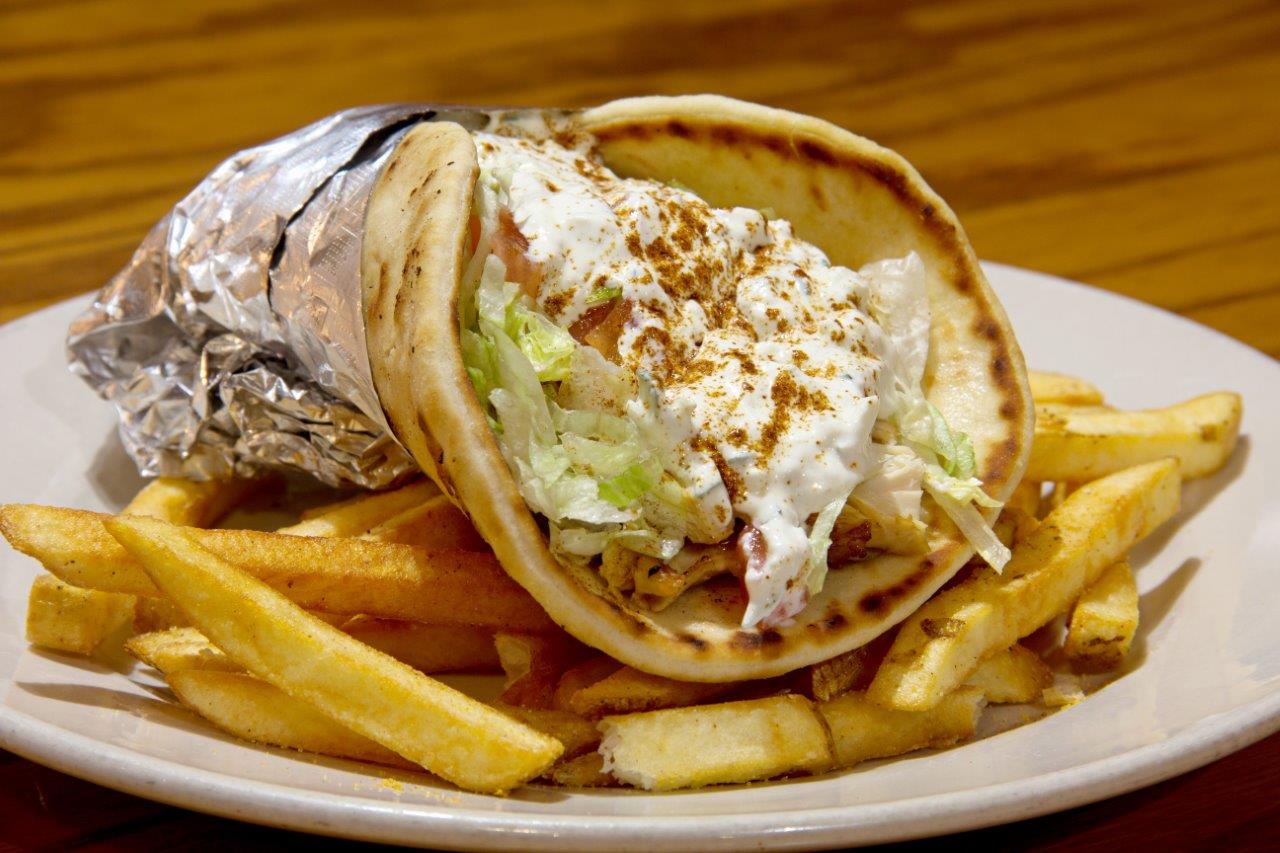
What the early table gets
The first seating gets the room at its best: servers with time to talk through the menu, a kitchen cooking its first tickets of the night with full attention, and a noise level where a table of grandparents and grandchildren can actually hold one conversation. Families with young kids already know this instinctively; the five o'clock table is a strategy, not a surrender.
Early works at lunch too. An 11:30 arrival in downtown Lincolnton beats the noon cluster from the courthouse and offices, and on Saturday, when the grille's day ends at 4 PM, the early lunch is the difference between a relaxed meal and watching the clock.
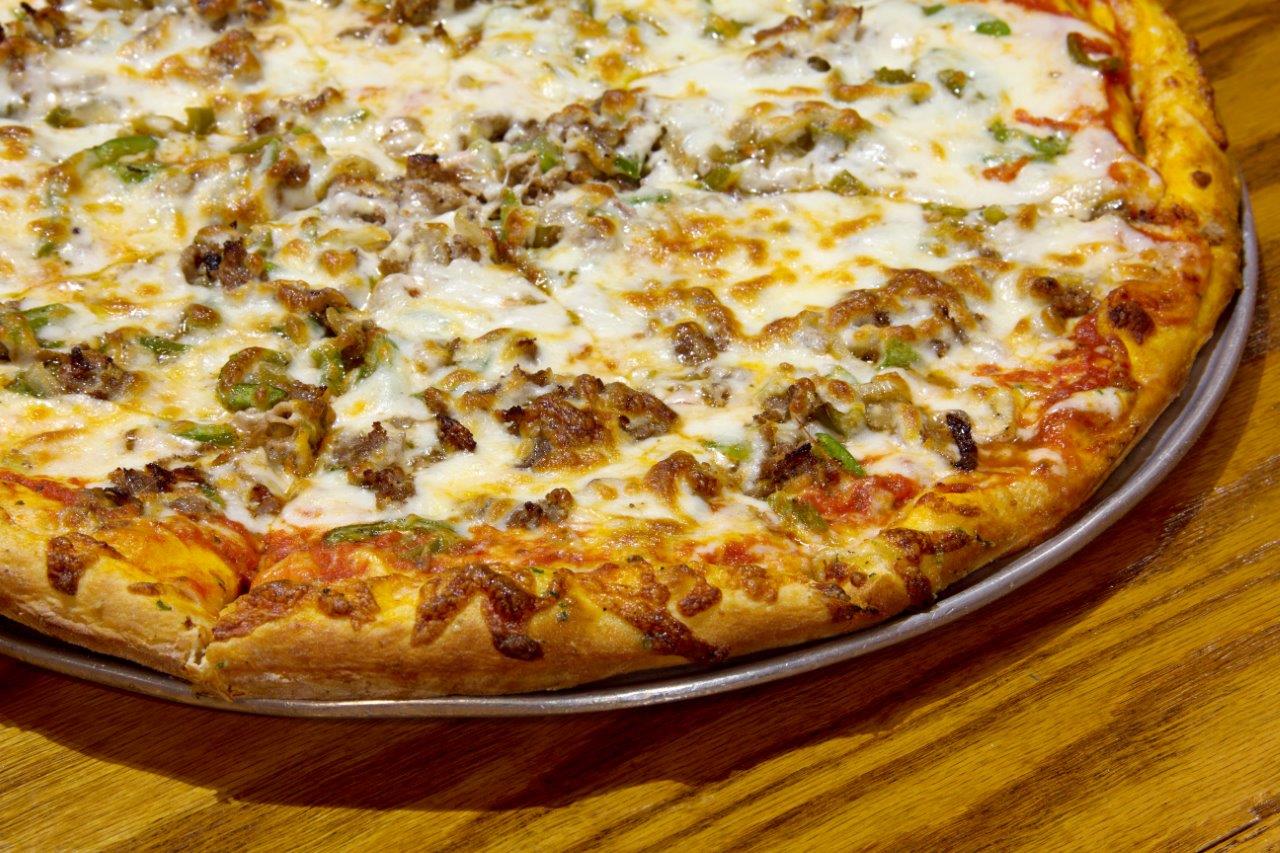
When early is not the answer
Sometimes the point of dinner is the buzz of a full room on a Friday night, and that is a legitimate choice. Just make it a choice: arrive knowing the wait is part of the evening, order a starter when you sit down, and let the meal run long. The mistake is wanting the quiet meal and scheduling the loud one.
The late table has one advantage, and it is real
Fairness requires admitting what the early table gives up: a late seating gets the room at full glow. Candles of conversation, every table occupied, the sense that the whole town is out at once. For a date or a celebration, that energy can be worth every minute of waiting, and the last seating of the night has its own calm once the rush breaks and the kitchen exhales.
The point of this guide is not that one hour is morally better than another. It is that the hour chooses the meal as surely as the menu does, and most diners choose it by accident, by when they happen to get hungry or get off work. Choose it on purpose instead. Quiet meal, early table. Big night, late table. Either way you are ordering the evening you meant to have, which is most of what a good restaurant visit is.
Downtown Lincolnton rewards the planners either way: an early table strolls a quiet Court Square afterward, and a late one walks out into a street that has been awake with them. The restaurant is the anchor either way; the clock just decides the weather around it.
There is one more beneficiary of the early table: the meal after yours. A room that fills in a steady curve instead of a single wave gives the kitchen a rhythm it can hold all night, which is why restaurants quietly love their five o'clock regulars. Arriving early is not gaming anything. It is cooperating with the way a dining room naturally works, and being fed first and best for your trouble.
Common questions
What time does the dinner rush start in a small downtown?
Typically as work ends and evening activities let out, so the cluster builds fast in the early evening. Arriving in the first hour of service usually beats it.
Is an early dinner worse food?
No. The kitchen is fresher and less loaded in the first seating, and many regulars consider it the best-cooked meal of the night.
What if we cannot arrive early?
Order starters as soon as you sit down, keep the order simple during peak load, and treat the wait as part of a Friday night out rather than a problem.
← All guides from Court Street Grille← Back to Court Street Grille